
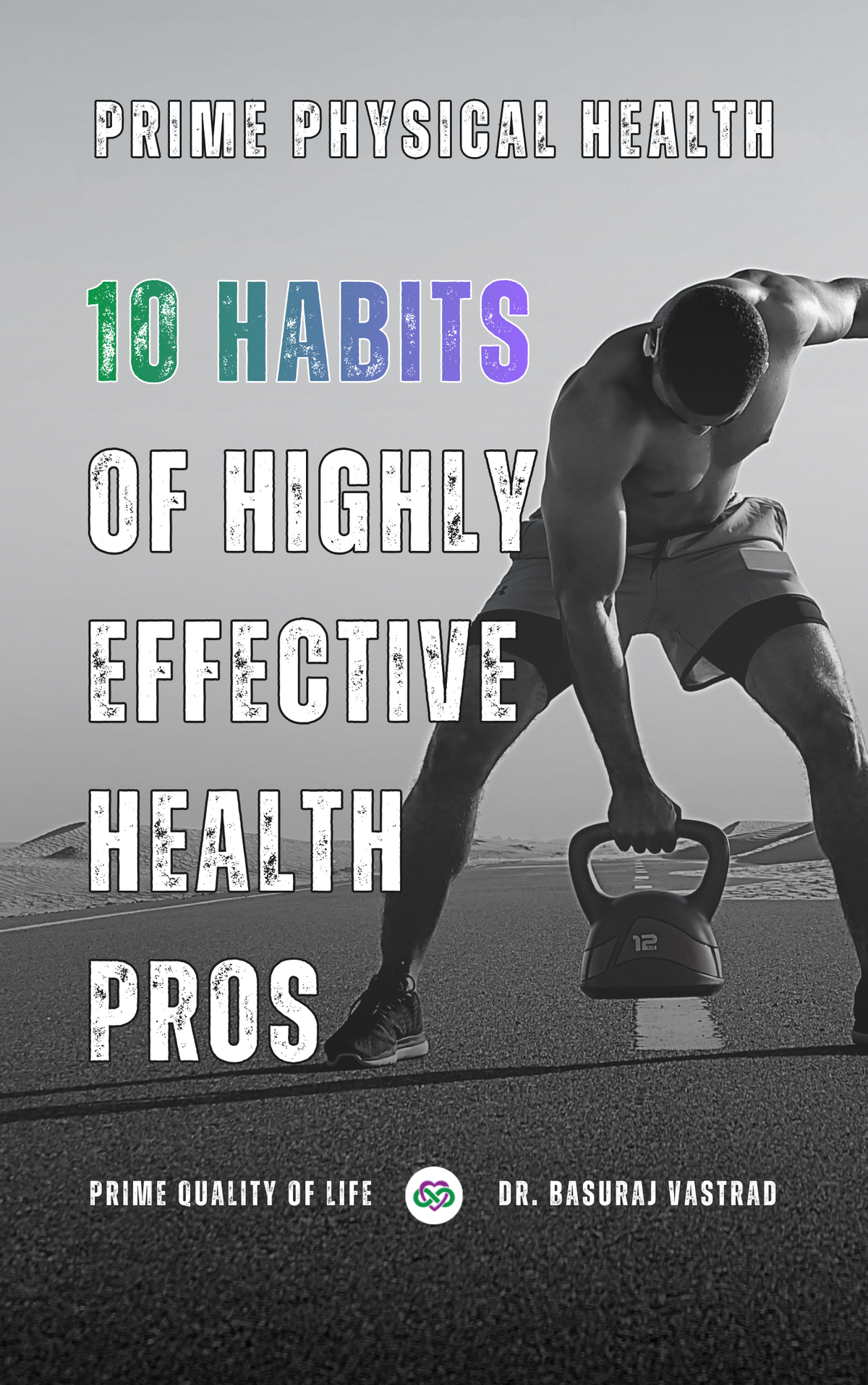
Prime Physical Health: 10 Habits of Highly Effective Health Pros
Discover 10 powerful habits health professionals use to boost energy, prevent burnout, and sustain peak physical performance long-term.

Why Physical Health Matters for Health Professionals?
As a health professional, you're in the business of caring for others. But here's the uncomfortable truth — you can't pour from an empty cup. The irony isn't lost on those who spend their days advising patients about healthy living while running on coffee, interrupted sleep, and whatever can be grabbed between appointments.
Your physical health isn't just a personal matter — it's professional capital. When you're physically vibrant, you think more clearly, communicate more effectively, and have the resilience to handle the emotional weight of your work. The habits you cultivate don't just add years to your life, they add life to your years and effectiveness to your practice.
Let's explore the ten habits that separate thriving health professionals from those merely surviving.
Habit 1: Morning Movement Routine
The first hour of your day sets the tone for everything that follows. Highly effective health pros don't leave this to chance — they engineer it.
A morning movement routine doesn't mean training for a marathon before sunrise. It means consistent, intentional physical activity that awakens your body and mind.
This could be:
- 15 minutes of yoga or stretching
- A brisk 20-minute walk around your neighborhood
- Bodyweight exercises while your coffee brews
- A short dance session to your favorite music
The key is consistency over intensity. Your body craves regular movement, and morning is when you're least likely to be derailed by the day's demands. This habit also triggers endorphin release, setting you up for better mood regulation throughout demanding patient interactions.
Habit 2: Nutrition for Energy
You know science, food is fuel. Yet knowledge doesn't always translate to practice, especially when you're back-to-back with patients and the vending machine is steps away.
Effective health pros plan their nutrition with the same care they plan their patient schedules. This means:
Meal Preparation
Dedicate time weekly to prepare grab-and-go options that actually nourish. Think protein-rich snacks, pre-portioned meals, and vegetables that travel well.
Strategic Eating Windows
If your schedule is unpredictable, establish eating patterns that work within your constraints. Maybe it's a substantial breakfast and dinner with portable snacks rather than trying to force a traditional lunch break.
Energy-sustaining Foods
Prioritize complex carbohydrates, lean proteins, and healthy fats that provide steady energy rather than the spike-and-crash of processed options.
The professionals who excel don't aim for perfection — they aim for consistency in making choices that serve their energy needs.
Habit 3: Sleep Strategies
Sleep is non-negotiable for cognitive function, emotional regulation, and immune health. Yet it's often the first sacrifice when life gets demanding.
Highly effective health pros treat sleep as sacred.
Consistent Sleep Schedule
Going to bed and waking at similar times — even on days off — regulates your circadian rhythm and improves sleep quality.
Wind-Down Ritual
Create a 30-60 minute pre-sleep routine that signals your nervous system it's time to shift gears. This might include dimming lights, avoiding screens, reading, or gentle stretching.
Sleep Environment Optimization
Cool temperature (65-68°F), darkness, white noise if needed, and a comfortable mattress aren't luxuries — they're tools for recovery.
Strategic Napping
If your schedule includes shift work or long days, strategic 20-minute power naps can restore alertness without disrupting nighttime sleep.
Quality sleep isn't about quantity alone — it's about creating conditions for restorative rest.
Habit 4: Stress Management Techniques
Stress in healthcare isn't optional. How you manage it determines whether you thrive or burn out.
Top-performing health professionals have a toolkit of stress management techniques they actually use.
Breathing Exercises
Box breathing (4 counts in, 4 hold, 4 out, 4 hold) can reset your nervous system in under a minute between patients.
Progressive Muscle Relaxation
Systematically tensing and releasing muscle groups releases physical tension you didn't realize you were holding.
Mindful Transitions
Use the walk between exam rooms or the drive home as mindfulness practice rather than rumination time.
Physical Release
Whether it's a workout, dancing, or hitting a punching bag, finding physical outlets for stress prevents it from becoming chronic tension.
The professionals who manage stress best don't wait until they're overwhelmed — they practice daily stress inoculation.
Habit 5: Hydration Hacks
Dehydration compromises cognitive function, mood, and physical performance — exactly what you need most during demanding days.
Effective health pros make hydration automatic.
Visual Cues
Keep a water bottle visible at all times. What you see, you remember.
Time-Based Goals
Rather than aiming for daily totals, set hourly targets. Finish one bottle by noon, another by the end of shift.
Flavor Variety
If plain water doesn't appeal, infuse it with fruit, herbs, or use electrolyte additions for variety and minerals.
Habit Stacking
Link hydration to existing routines — drink water after each patient, before checking messages, or every time you use the restroom.
Strategic Placement
Keep water stations in multiple locations so you're never more than steps from hydration.
Chronic low-grade dehydration is so common among health professionals that many don't recognize it as the source of their fatigue and brain fog.
Habit 6: Desk Ergonomics
Whether you're documenting, researching, or managing administrative work, hours at a desk take a physical toll.
High-performing health pros optimize their workspace.
Monitor Height
Screen at eye level prevents neck strain. Your gaze should hit the top third of the screen when looking straight ahead.
Chair Support
Adjustable chair with lumbar support, feet flat on floor or footrest, thighs parallel to ground.
Keyboard and Mouse Position
Close enough to avoid reaching, at a height that keeps wrists neutral.
Standing Desk Option
Alternating between sitting and standing throughout the day reduces static load on your spine and improves circulation.
Micro-Breaks
Every 30 minutes, shift position. Every hour, stand and move for 2-3 minutes.
Your body wasn't designed for sustained sitting. Ergonomics isn't about comfort — it's about preventing cumulative damage.
Habit 7: Regular Check-ups
Physicians are notoriously poor patients. Health professionals of all types tend to neglect their own preventive care.
Effective health pros practice what they preach.
Annual Physicals
Non-negotiable baseline health monitoring.
Dental and Vision Care
Regular preventive maintenance prevents larger problems.
Mental Health Check-ins
Therapy or counseling isn't reserved for crises — it's preventive maintenance for your psychological wellbeing.
Specialty Screenings
Follow the same guidelines you'd recommend to patients based on your age, gender, and risk factors.
Addressing Symptoms Promptly
Don't ignore persistent issues hoping they'll resolve. Early intervention prevents minor problems from becoming major ones.
The irony of health professionals neglecting their own health isn't just personal — it undermines the credibility of the advice you give others.
Habit 8: Mindful Eating
Eating while distracted — at your desk, between patients, while scrolling — disconnects you from your body's signals and reduces satisfaction.
Highly effective health pros practice mindful eating.
Dedicated Eating Time
Even if brief, step away from work to eat. Your meal deserves your attention.
Sensory Engagement
Notice colors, textures, aromas, and flavors. This enhances satisfaction and aids digestion.
Hunger and Fullness Cues
Check in with your body before, during, and after eating. Are you actually hungry, or responding to stress, boredom, or schedule?
Chewing Thoroughly
This aids digestion and allows your satiety signals time to register.
Gratitude Practice
A moment of appreciation for your food connects you to the nourishment it provides.
Mindful eating isn't about restriction — it's about presence and connection with the fuel you're giving your body.
Habit 9: Active Breaks
Extended periods of stillness — whether sitting, standing, or maintaining any fixed position — create physical stress.
Top performers build movement into their day.
Movement Snacks
2-3 minutes of movement every hour.
Stretching, walking, stairs, jumping jacks — anything that changes your position and elevates your heart rate briefly.
Walking Meetings
When possible, take phone calls or one-on-one while walking.
Stretching Sequences
Develop a quick routine for common problem areas — neck rolls, shoulder shrugs, hip flexor stretches, spinal twists.
Stair Opportunities
Choose stairs over elevators when time permits.
Parking Strategy
Park farther away to build walking into your commute.
These micro-movements accumulate. Research shows they're as beneficial for metabolic health as dedicated exercise sessions.
Habit 10: Consistency Is Key
The most powerful habit is the meta-habit of consistency itself.
None of these practices work if implemented sporadically.
Highly effective health pros understand.
Start Small
Better to do one habit consistently than attempt all ten inconsistently. Choose the one with the highest leverage for you right now.
Build Gradually
Once a habit is automatic (typically 3-4 weeks), add another. This sustainable approach prevents overwhelm.
Track Strategically
Use whatever method keeps you accountable — apps, journals, accountability partners — but avoid making tracking so complex it becomes a barrier.
Plan for Obstacles
Anticipate challenges and have contingencies.
Travel? Pack resistance bands and plan walking routes.
Busy week? Prep meals in advance.
Forgive and Resume
Perfection isn't the goal. When you miss a day, notice it without judgment and resume the next day.
The compound effect of small, consistent actions over time creates transformation that willpower and motivation alone never sustain.
Small Habits, Big Impact
Physical health for health professionals isn't vanity — it's a vocational necessity. The habits you cultivate create the foundation for everything else: your mental clarity, emotional resilience, professional effectiveness, and ability to be present for the people who depend on you.
You don't need to overhaul your life overnight. You need to make one small, sustainable change. Then another. Then another.
The highly effective health pros you admire aren't superhuman — they've simply built systems that make healthy choices automatic. They've decided that caring for themselves isn't selfish; it's essential to their capacity to care for others.
Your physical health is the platform upon which everything else you want to accomplish must be built. Invest in it with the same dedication you invest in your professional development.
Which habit will you implement first?
Related Reading
- Prime Mental Health: Managing Stress in High-Pressure Professions
- Prime Spiritual Health: Finding Purpose in Your Health Career
- Prime Emotional Health: Emotional Intelligence for Health Leaders
- Prime Financial Health: Financial Wellness for Health Professionals
- Prime Relational Health: Building Stronger Patient Relationships
- Prime Social Health: Networking Strategies for Health Pros
- Prime Factor P — Free eBook — Claim Free eBook
- Prime A-Z Formulas For A Prime Life — Special Gift — Claim Special Gift
About Dr. BasuRaj Vastrad
Dr. BasuRaj Vastrad is the Founder and CEO of Prime Quality of Life, a Physician-Philosopher, former Orthopaedic Hand and Micro-Surgery Consultant, Author, and International Speaker dedicated to helping individuals unlock their fullest potential and live a truly Prime Life.
Through decades of experience in coaching, consulting, and mentoring, he has guided individuals worldwide to design lives of health, happiness, wealth, fulfillment, and purpose. His uniquely integrated approach blends practical strategies, personal insight, and holistic development to help people create meaningful transformation in both personal and professional life.
Dr. BasuRaj is the creator of the Prime Quality of Life Framework, a holistic philosophy centered on purposeful living, resilience, mindfulness, innovation, empowerment, growth, fulfillment, and legacy.
Prime Quality of Life Philosophy
“Love What You Do and Do What You Love”
Learn More:
https://primequalityoflife.com/
https://www.amazon.com/author/dr_basuraj_vastrad/
https://shop.primequalityoflife.com/
https://primequalityoflife.lpages.co/primelifemagazine/
Contact Us at info@primequalityoflife.com – for any updates, feedback, comments, or questions.
Explore more insights on health, purpose, and elevated living at Prime Life Magazine.
Disclaimer
The content published on this website is for general informational and educational purposes only and should not be considered professional advice. While we strive for accuracy, readers are encouraged to verify information and seek appropriate professional guidance before making decisions based on the content.
© Prime Life Magazine
Part of the Prime Quality of Life® and Prime Life Media Series
Prime Quality of Life® — Copyright © 2026 . All Rights Reserved